FAQs About Ceramic Braces What You Need to Know

Clear brackets can make orthodontic treatment feel less obvious, but they still raise plenty of questions. Will they stain? Do they hurt? Are they as strong as metal braces? How do they compare with aligners?
This guide answers the questions people most often ask before choosing tooth-colored braces. It is informational only and does not replace advice from an orthodontist, because every bite, smile, and treatment plan is different.

What are ceramic braces?
Ceramic braces are fixed orthodontic appliances that work much like traditional metal braces. The main difference is the material used for the brackets.
Instead of silver-colored metal brackets, they use clear or tooth-colored brackets that blend with the teeth. A thin wire still runs through the brackets, and small elastics may hold the wire in place.
They are often chosen by teens and adults who want a less noticeable option but still need the control of fixed braces. They can treat many common orthodontic concerns, including:
Crowded teeth
Gaps between teeth
Rotated teeth
Overbite or underbite concerns
Crossbite issues
General alignment problems
Because they are attached to the teeth, they work around the clock. That can be helpful for people who do not want to manage removable trays or worry about wearing aligners for enough hours each day.
Are they really invisible?
They are not fully invisible. A better description is less noticeable.
The brackets are designed to match or blend with the natural color of teeth. From a normal speaking distance, they are usually much subtler than metal braces. The wire may still be visible, especially if it is metallic. Some orthodontists offer coated or tooth-colored wires, although the coating can wear over time.
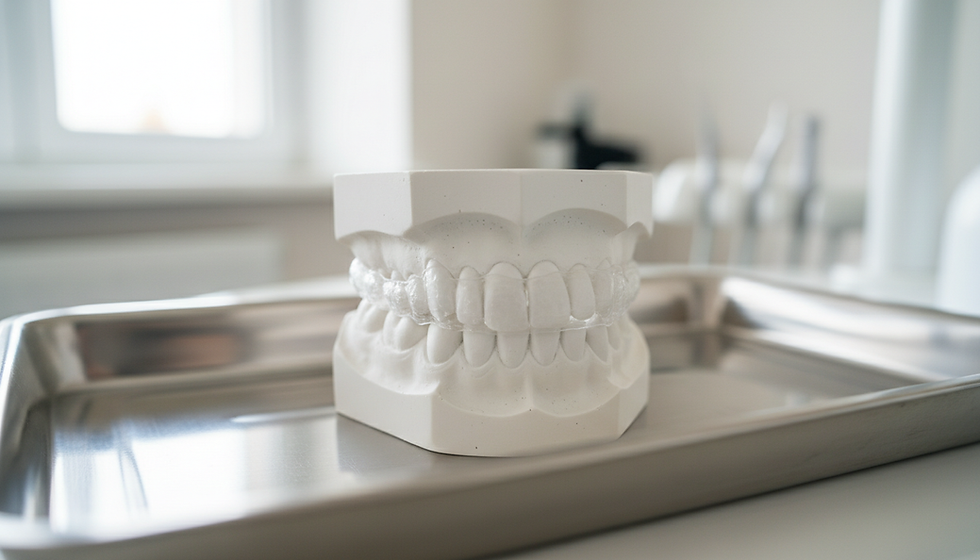
The term invisible braces is often used broadly for clear aligners, lingual braces, and tooth-colored fixed braces. If nearly hidden treatment is the main goal, ask your orthodontist to show real examples of each option. A photo or model can be more useful than a name.
How do they compare with metal braces and clear aligners?
Each option has strengths. The best choice depends on the tooth movement needed, age, lifestyle, budget, and how closely the plan must control specific teeth.
Option | Best for | Main thing to know |
Tooth-colored fixed braces | People who want fixed treatment with a subtler look | They work like metal braces but need careful cleaning |
Metal braces | People who want a strong, reliable, often lower-cost option | They are highly visible but very durable |
Clear aligners | People who want removable treatment for suitable cases | They must be worn as directed every day |
Clear aligners are popular because they can be removed for eating and brushing. Fixed braces, by contrast, stay in place. That can be a plus if compliance is a concern.
Metal braces may be preferred for some complex cases because they are strong and less prone to bracket damage. Tooth-colored brackets can still handle many cases well, but the orthodontist will decide based on the bite and treatment goals.
Do clear brackets stain?
The brackets themselves usually resist staining well. The parts most likely to discolor are the elastic ties that hold the wire, if your braces use them.
Foods and drinks with strong color can stain these small elastics. Common examples include:
Tea and coffee
Turmeric-rich curries
Red or dark sauces
Cola
Beetroot
Berries
Tobacco products
In places like Chennai, where tea, coffee, and spice-rich foods are part of everyday life for many people, this is a practical concern. The good news is that elastic ties are usually changed during adjustment visits. If they discolor, the change is not permanent.
To reduce staining, rinse with water after strongly colored foods or drinks. Brush carefully, especially around the brackets. If your orthodontist allows it, using a straw for some drinks may also help reduce contact with the front teeth.

Are they painful?
They can cause soreness, especially after they are first placed or adjusted. This is normal with most orthodontic treatments.
The discomfort usually feels like pressure or tenderness when biting. It is not typically sharp pain. Soft foods can help during the first few days after an appointment. Examples include curd rice, dal, idli, soft vegetables, soup, eggs, smoothies, and mashed foods.
You may also feel irritation on the cheeks or lips while the mouth adjusts to the brackets. Orthodontic wax can cover a rough spot until the tissue settles. If a wire pokes or a bracket feels loose, contact the clinic rather than trying to fix it at home.
Are they as effective as metal braces?
For many people, yes. Tooth-colored fixed braces can move teeth effectively because they use the same basic system as metal braces: brackets, wires, and carefully planned pressure.
The difference is not only appearance. Ceramic brackets can be a little more brittle than metal ones. That does not mean they break easily during normal use, but it does mean they need sensible care.
Avoid biting directly into very hard foods. Cut apples, carrots, and crusty foods into smaller pieces. Skip chewing ice, pens, and fingernails. These habits can damage any braces, but clear brackets may be less forgiving.
For severe bite problems or cases that need very high forces, an orthodontist may recommend metal brackets on some teeth or a mixed approach. The goal is not just straighter teeth. It is a stable, healthy bite.
How long does treatment take?
Treatment time varies. Mild alignment changes may take less time, while complex bite correction can take longer. Many fixed-brace plans last somewhere around one to two years, but that is only a broad guide.
Several factors affect timing:
How crowded or spaced the teeth are
Whether teeth need to be removed
How the upper and lower jaws meet
Age and bone response
Missed appointments
Broken brackets
Oral hygiene
Whether elastics are worn as instructed
The treatment estimate given at the consultation is a plan, not a promise. Teeth move at biological speeds. Rushing the process can damage roots, gums, or the final result.
What can you eat with them?
You can eat a wide range of foods, but technique matters. The safest approach is to avoid biting into hard or sticky items with the front teeth.
Foods to be careful with include:
Hard nuts
Popcorn kernels
Sticky sweets
Chewy toffees
Hard chips
Whole corn on the cob
Very crusty bread
Ice cubes
This does not mean meals become boring. Most home foods are fine with small changes. Cut firm fruits into slices. Tear chapati into smaller pieces. Choose softer snacks. Chew slowly, especially after adjustments.
The first week may feel awkward, but most people adapt quickly.
How do you clean around clear braces?
Cleaning matters more with fixed braces because brackets create extra spaces for plaque to collect. Poor cleaning can lead to white marks, cavities, gum swelling, and bad breath.
A good daily routine includes:
Brushing after meals when possible
Using a soft orthodontic toothbrush or electric brush
Cleaning around each bracket, not just across the tooth surface
Using interdental brushes for spaces under the wire
Flossing with a floss threader or orthodontic flosser
Rinsing after snacks if brushing is not possible
Do not brush aggressively. Hard scrubbing can irritate gums and wear enamel. Aim for patient, careful cleaning.
Your orthodontist may suggest a fluoride toothpaste or mouth rinse based on cavity risk. Follow the specific advice given at the clinic.

Will they affect speech?
Most people speak normally with fixed braces. During the first few days, the lips and tongue may feel aware of the brackets. Speech may feel slightly different, but this usually improves as the mouth adapts.
Reading aloud for a few minutes can help. So can speaking slowly while the mouth gets used to the new surfaces.
If speech is a major concern for work, teaching, videos, or public speaking, mention it during the consultation. The orthodontist can explain what to expect and whether another option may suit your needs better.
Can adults get them?
Yes. Adults can choose fixed orthodontic treatment as long as the teeth, gums, and supporting bone are healthy enough.
Adult treatment may need extra planning if there are:
Gum problems
Missing teeth
Crowns or bridges
Root canal treated teeth
Jaw joint symptoms
Previous orthodontic treatment
Bone loss around teeth
An adult plan may involve coordination with a dentist, periodontist, or prosthodontist. For example, if a missing tooth will later be replaced with an implant, orthodontic treatment may create the right amount of space first.
Age alone does not rule out treatment. Oral health and treatment goals matter more.
Are they suitable for teenagers?
They can be. Many teenagers like the subtler appearance, especially for school, college, photos, and social events.
The main question is responsibility. Clear brackets need careful food choices and good brushing. If a teen often breaks brackets or struggles with cleaning, treatment can slow down.
Parents and teens should discuss the daily care involved before starting. A child who wants the look of clear brackets must also understand the effort needed to maintain them.
Do they damage teeth?
Braces do not damage teeth when they are planned well and cared for properly. The risk comes from plaque left around brackets, poor brushing, frequent sugary snacks, and missed appointments.
White chalky marks can appear around brackets if enamel loses minerals during treatment. These marks may remain after the braces come off. Gum irritation can also happen when plaque builds up near the gumline.
The best protection is simple but consistent:
Brush well every day
Limit frequent sugary drinks and snacks
Attend review visits
Report broken parts early
Follow elastic instructions if given
Orthodontic treatment is a partnership. The appliance moves the teeth, but daily care protects the enamel and gums.
How often are appointments needed?
Fixed braces need regular adjustment visits. The exact schedule varies by clinic and stage of treatment. Many patients are reviewed every few weeks.
At these visits, the orthodontist may change wires, replace elastics, check tooth movement, adjust bite correction, or repair loose parts. These visits keep treatment moving safely.
If you travel often, study away from home, or split time between cities, tell the orthodontist before starting. Missed visits can lengthen treatment.
What happens if a bracket breaks?
A broken or loose bracket is not usually an emergency, but it should not be ignored. It can slow progress or let a tooth move in the wrong direction.
If a bracket comes loose:
Leave it in place if it is still attached to the wire.
Use orthodontic wax if it rubs.
Avoid hard chewing on that side.
Contact the clinic for advice.
Do not cut wires unless a dentist instructs you to do so.
If a wire causes pain or injury, seek help sooner. Keep any loose part if it comes out fully, and bring it to the appointment.

Are they more expensive than metal braces?
They often cost more than metal braces because of the bracket material and handling. The final cost varies by case complexity, clinic location, orthodontist experience, appliances used, and whether extra procedures are needed.
In India, prices can differ widely between cities and clinics. A Chennai clinic may include consultation, records, retainers, or follow-up visits differently from another clinic. Always ask what the quoted fee includes.
Questions to ask before starting include:
Are X-rays, scans, or photos included?
Are retainers included after treatment?
What happens if a bracket breaks?
Are emergency visits charged separately?
Is there a payment plan?
Will both arches use clear brackets, or only the upper front teeth?
A lower fee is not always better if it excludes key parts of treatment. A clear written plan helps you compare properly.
Will the braces be removed easily?
Removal is a routine part of orthodontic care. The orthodontist uses special tools to take off the brackets and then cleans the adhesive from the teeth.
Because clear brackets are harder than enamel, removal needs care. This is one reason treatment should be handled by a trained orthodontist. After removal, the teeth may feel smooth and slightly strange for a few days because the brackets are gone.
The next step is retention.
Do retainers matter after treatment?
Yes. Retainers are essential after any orthodontic treatment. Teeth can shift after braces come off because bone and gums need time to settle around the new tooth positions.
Retainers may be removable, fixed behind the teeth, or a combination of both. The right choice depends on the case.
Skipping retainers is one of the most common reasons teeth move again. If you are investing time, money, and effort into treatment, the retainer protects that result.
Who is a good candidate?
A good candidate has healthy teeth and gums, realistic expectations, and willingness to care for the appliance. Appearance matters, but it should not be the only factor.
This option may suit someone who:
Wants fixed treatment that is less visible than metal
Can brush carefully around brackets
Is willing to avoid hard and sticky foods
Can attend regular review visits
Needs tooth movement that aligners may not handle easily
It may not be ideal for someone who wants the appliance to be nearly unseen, eats hard foods often, or has active gum disease that needs treatment first.
What should you ask at the consultation?
A good consultation should leave you with a clear picture of the problem, the options, and the effort involved.
Helpful questions include:
What bite or alignment issues do I have?
Can tooth-colored brackets treat my case well?
How long might treatment take?
Will I need extractions?
Will I need elastics?
What foods should I avoid?
How often are visits needed?
What type of retainer will I need?
What happens if I move or travel during treatment?
Ask to see the treatment plan explained in plain language. If something is unclear, ask again. Orthodontic treatment takes time, so comfort with the plan matters.
The key takeaway
Tooth-colored fixed braces offer a strong balance between appearance and control. They are less noticeable than metal braces, but they still need careful cleaning, regular appointments, and sensible food choices.
The best next step is a proper orthodontic assessment. A specialist can check your bite, explain whether clear brackets are suitable, and compare them with metal braces or aligners for your specific case. That decision should be based on more than looks. It should protect your teeth, gums, bite, and long-term smile.


Comments