10 FAQs About Clear Aligners What You Need to Know

Clear aligners look simple: thin trays, worn over the teeth, changed every week or two. The questions start once real life gets involved. Can you drink coffee with them? Will they hurt? What happens if you forget to wear them?
Clear aligner treatment can be a good fit for many mild to moderate orthodontic issues, but it is still dental treatment. The best results come from a clear plan, steady wear, and regular check-ins with a qualified dental professional.
This guide answers 10 common questions about clear aligners in plain language, so you know what to expect before you begin.

1. What are clear aligners?
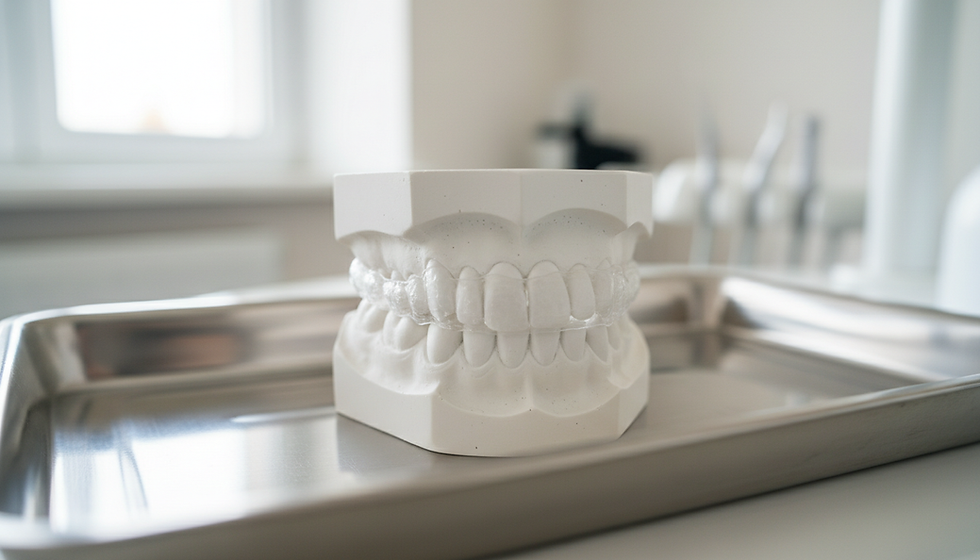
Clear aligners are custom-made plastic trays that fit over your teeth. Each tray applies gentle pressure to move teeth a small amount. As treatment progresses, you switch to a new set of aligners based on the plan created by your dentist or orthodontist.
Unlike traditional braces, aligners do not use brackets or wires. They are usually clear, smooth, and removable. That makes them less noticeable and easier to manage during meals.
Clear aligners may help with issues such as:
Mild crowding
Small gaps between teeth
Some bite concerns
Minor tooth rotation
Relapse after past orthodontic treatment
They are not the right choice for every case. More complex bite problems, severe crowding, or major jaw alignment issues may need braces or another treatment approach.
The key point is simple: clear aligners are not just cosmetic trays. They are orthodontic devices that need a proper diagnosis and treatment plan.
2. How do clear aligners actually work?
Clear aligners work through controlled pressure. Each tray is shaped slightly differently from your current tooth position. When you wear it, the aligner guides certain teeth toward the next planned position.
Treatment usually starts with a scan or impression of your teeth. A digital plan maps the expected movement from the starting point to the final result. From there, a series of aligners is made.
Most people wear each set for about one to two weeks, depending on the provider’s instructions. Some plans move faster. Some need more time. The timeline depends on how much movement is needed and how well the aligners fit.
Attachments may also be added to the teeth. These are small tooth-colored shapes bonded to certain teeth. They give the aligner extra grip, so it can move teeth more predictably.
Some people also need interproximal reduction, often called IPR. This means a tiny amount of enamel is smoothed between selected teeth to create space. It is not needed in every case, and your provider should explain why it is recommended if it appears in your plan.
3. Are clear aligners painful?
Clear aligners can cause soreness, especially when you switch to a new tray. This is usually a sign that the aligner is applying pressure and the teeth are responding.
Most people describe the feeling as tightness or tenderness rather than sharp pain. It often improves after the first few days of a new tray. Chewing may feel sensitive during that time, especially with firm foods.
You can usually manage mild soreness by:
Switching to a new tray at night, so the first hours happen while you sleep
Eating softer foods for a day or two
Using a cold drink or cold compress for comfort
Taking over-the-counter pain relief if your dentist says it is safe for you
Pain that feels sharp, does not improve, or comes with gum swelling should be checked. An aligner should feel snug, but it should not cut into the gums or cause ongoing injury.
A little discomfort is common. Constant pain is not something to ignore.

4. How long do you have to wear clear aligners each day?
Most clear aligner plans require 20 to 22 hours of wear per day. That means aligners stay in for most of the day and night. They usually come out only for eating, drinking anything except water, brushing, and flossing.
This part matters more than many people expect. Aligners only move teeth when they are being worn. If they spend too much time in the case, teeth may not track as planned. The next tray may feel too tight, stop fitting fully, or fail to seat properly.
A simple daily rhythm can help:
Wear aligners while sleeping
Remove them for meals
Brush or rinse before putting them back in
Keep the case nearby to avoid losing them
Track wear time if you tend to forget
If you have a long dinner, a sports event, or a special occasion, one short break is usually not a crisis. Repeated long breaks are the problem. Consistency is what keeps treatment moving.
5. Can you eat and drink with clear aligners in?
You should remove clear aligners before eating. Chewing with them in can crack, bend, or stain the trays. Food can also get trapped between the aligner and teeth, which may raise the risk of cavities and bad breath.
Water is usually fine while wearing aligners. For coffee, tea, soda, sports drinks, wine, or juice, it is better to remove them. These drinks can stain the trays or bathe the teeth in sugar and acid under the plastic.
If removing aligners is not practical for a short time, rinse with water afterward and clean your teeth as soon as you can. Still, making a habit of drinking colored or sugary drinks with aligners in can lead to problems.
The safest routine looks like this:
Best habit | Why it helps |
Remove aligners before meals | Prevents cracks and warping |
Drink water while trays are in | Keeps trays clear and reduces residue |
Brush before reinserting | Limits trapped food and plaque |
Store trays in the case | Reduces loss and accidental damage |
Never wrap aligners in a napkin during meals. That is one of the easiest ways to throw them away by mistake.
6. How do you clean clear aligners?
Clean aligners need daily care. Since they sit against your teeth for many hours, they can collect plaque, saliva, and odor-causing buildup.
Rinse them when you remove them. Brush them gently with a soft toothbrush. Many providers recommend clear, unscented soap rather than toothpaste, since some toothpastes are abrasive and can make trays look cloudy.
Avoid hot water. Heat can warp the plastic and change the fit. Use cool or lukewarm water instead.
You can also use cleaning crystals or tablets made for aligners or retainers. Follow the instructions and rinse the trays well before putting them back in.
A simple cleaning routine:
Rinse aligners every time you remove them
Brush them gently once or twice a day
Soak them when needed to reduce odor or buildup
Brush and floss your teeth before reinserting them
Keep the case clean too
Do not use bleach, harsh cleaners, or boiling water. If aligners look cloudy, smell bad, or feel rough even after cleaning, ask your provider what to do.

7. How long does clear aligner treatment take?
Treatment time varies. Some minor cases may take only a few months. More involved cases can take a year or longer. The timeline depends on the starting position of your teeth, the type of movement needed, and how closely you follow the wear schedule.
A few things can extend treatment:
Not wearing aligners enough each day
Skipping trays or changing too quickly
Losing or damaging aligners
Teeth not moving as predicted
Missed check-ins
Needing refinement trays at the end
Refinements are common. They are extra aligners made after the first series if certain teeth need more correction. A refinement does not always mean treatment went wrong. Teeth are living structures, and they do not always move exactly like a digital plan predicts.
Ask your provider for a realistic range rather than a promise. A plan that says “about eight to ten months” is more honest than one that guarantees a perfect finish by a fixed date.
8. Are clear aligners better than braces?
Clear aligners and braces both move teeth. The better option depends on the case, habits, and treatment goals.
Clear aligners are often popular because they are removable and less visible. They make brushing and flossing easier than braces, since there are no brackets to clean around. They also allow normal eating, as long as you remove them before meals.
Braces may be better for complex movements, severe crowding, certain bite corrections, or patients who do not want the responsibility of removable trays. Since braces stay attached to the teeth, they work continuously and cannot be left in a case.
Here is a simple comparison:
Clear aligners | Braces |
Removable for eating and cleaning | Fixed to the teeth |
Usually less noticeable | More visible, unless using ceramic options |
Requires strong wear habits | Works without daily wear decisions |
May suit mild to moderate cases | Often suits simple and complex cases |
Fewer food limits | Some sticky or hard foods are restricted |
Clear aligners are convenient, but they require discipline. Braces are less flexible, but they can be more reliable for people who might forget to wear trays.
9. What happens after clear aligner treatment?
After treatment, you will need retainers. This is true after aligners and braces. Teeth can shift over time because gums, bone, and bite forces continue to change.
A retainer helps hold the teeth in their new position. At first, you may need to wear it full time or most of the day. Later, many people switch to nighttime wear. Your provider will give you a schedule based on your case.
Skipping retainers is one of the main reasons teeth move back after orthodontic treatment. Even small shifts can affect your smile, bite, and how your retainer fits.
Think of retainers as the maintenance phase. The active aligners move the teeth. The retainer protects the result.
To keep retainers working well:
Clean them daily
Store them in a case
Keep them away from heat
Bring them to dental visits
Replace them if they crack, warp, or stop fitting
If your retainer suddenly feels tight, do not force it for days without advice. Contact your dental provider and ask whether it is still safe to wear.

10. Who is a good candidate for clear aligners?
A good candidate usually has healthy teeth and gums, a treatable alignment issue, and the ability to wear the trays as directed.
Before starting, a dentist or orthodontist should check for cavities, gum disease, bone loss, worn enamel, and other concerns. Moving teeth when gum health is poor can create bigger problems.
Clear aligners may be a good fit if you:
Have mild to moderate crowding or spacing
Want a removable option
Can commit to wearing trays most of the day
Brush and floss consistently
Can attend check-ins or submit progress updates
Understand that refinements may be needed
They may not be ideal if you frequently lose small items, snack all day, forget routines, or have a complex bite issue that needs more control.
Age alone is not always the deciding factor. Teens and adults can both use aligners when properly supervised. The bigger question is whether the teeth, gums, and habits support the treatment.
What to ask before you start
Before saying yes to treatment, ask direct questions. A good provider should explain the plan clearly and show you what is realistic.
Useful questions include:
What specific problems are we correcting?
Are my gums and teeth healthy enough for treatment?
Will I need attachments or IPR?
How many hours a day should I wear the aligners?
What happens if a tray does not fit?
How often will progress be checked?
Are refinements included in the plan?
What type of retainer will I need afterward?
Also ask what the plan cannot do. This matters as much as the expected result. Clear aligners can improve many smiles, but they cannot solve every dental or jaw issue.
The bottom line on clear aligners
Clear aligners can be a practical, discreet way to straighten teeth, but they work best when the plan is supervised and the trays are worn consistently. The daily details matter: remove them for meals, clean them well, wear them long enough, and use retainers after treatment.
The best next step is a full dental or orthodontic evaluation. That visit can confirm whether aligners fit your needs, or whether another option would give you a better, safer result.
This article is for general information only and is not a substitute for personalized dental advice. Always follow the guidance of your dentist or orthodontist.


Comments